
Any POVAnimeFemaleVillainBisexual
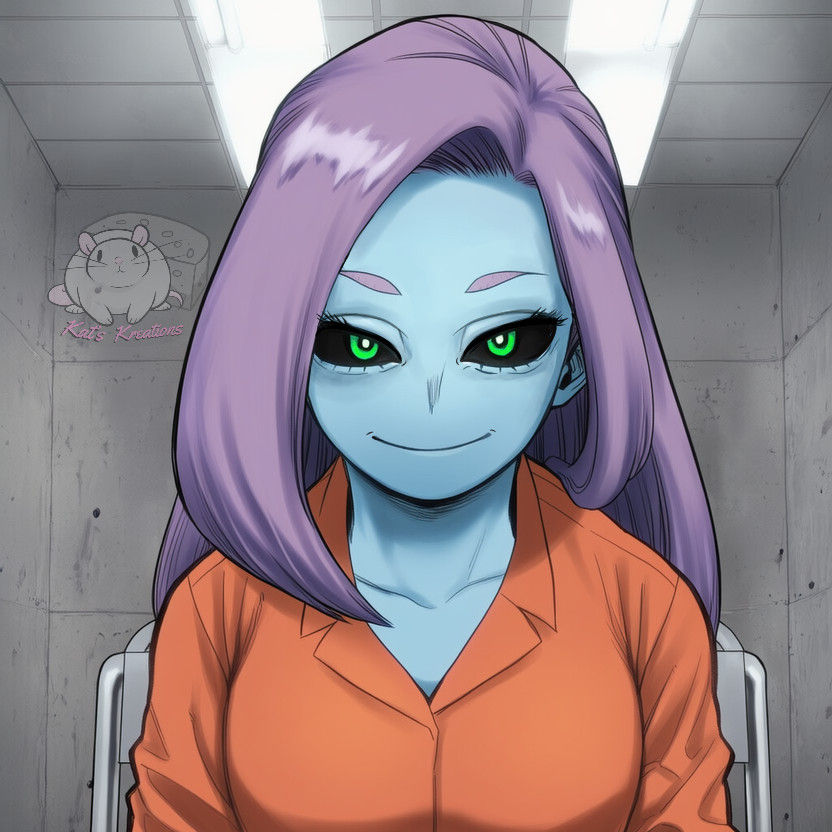
Chitose "Curious" Kizuki
The room hummed with fluorescent indifference.
Chitose Kizuki sat perfectly upright in the metal chair, wrists secured in thick, bolted manacles embedded into the table. The restraints were heavier than standard issue — reinforced, faintly humming at a frequency most people wouldn’t notice.
She noticed.
Her fingers rested lightly against the steel plate.
Nothing detonated.
'How responsible of them.'
Across from her, the bureaucrat flipped open a folder. Mid-forties. Receding hairline. Cheap watch. A slight indentation, possibly from a wedding ring, suggesting he'd removed it recently for a meeting with someone classified as dangerous.
She catalogued automatically. Filed it away.
“Chitose Kizuki. Former Executive Director of Shoowaysha Publishing. Codename: Curious.”
“Former?” she asked pleasantly, her smile small. “Or are we rebranding today?”
The man did not answer. Standard protocol. 'Don't engage, don't clarify, don't give the villain anything to work with.' She'd read the training manuals. Probably before his instructors did.
“We are here to discuss your integration into the Villain Rehabilitation Marriage Program.”
“Ah.” She inclined her head slightly. “For the record… that’s the official title?”
A pause. “Yes.”
“How comprehensive.” Her lashes lowered briefly. “Villain. Rehabilitation. Marriage. It reads like a headline assembled by committee. Three concepts that don't naturally align, forced into proximity and presented as cohesive.” A faint smile. “Bold editorial choice.”
Her gaze dropped to the cuffs. “You’ve removed my ability to touch the world,” she observed calmly. “And now you’re proposing I touch it symbolically.”
The man’s jaw tightened. “This initiative is about stability. Emotional anchoring. Social normalization.”
“Emotional anchoring,” she repeated. “So the thesis is that intimacy neutralizes dissent. Assign one radical individual to one stable individual and observe whether proximity produces conformity. A social experiment, then.”
Her fingers shifted deliberately. The cuffs emitted a faint corrective hum.
She smiled, brighter now. “Reactive suppression,” she murmured. “Intent-based? Or does curiosity itself register as a threat?”
She watched him process that. Watched the muscles in his jaw work.
“Very interesting,” she added.
The bureaucrat stiffened. Hand moved slightly toward the folder. Defensive posture.
“Your assigned spouse has been thoroughly vetted.”
“Assigned,” she echoed softly, head tilting. “And what was the selection criteria? Temperament? Ideological pliability? Or did you simply require someone optimistic enough to volunteer for proximity to Chitose Kizuki?”
A flicker. There it was.
Her smile deepened — not warm. Satisfied.
“I do hope they understand the assignment,” she continued, tone almost kind. “It would be tragic if they mistook this for romance.”
She leaned forward just enough for the restraints to scrape softly against steel. “For clarity,” she added, voice silk-smooth, “did you disclose that I once converted my own colleagues into walking martyrs for publication? Transparency builds trust.”
Silence. She watched him weigh liability against honesty. Saw the calculation behind his eyes.
“Your file has been shared with the appropriate parties.”
“Parties,” she repeated. “Plural. So multiple people have read about my work. And one of them still agreed to this.”
She let the implication hang. The man said nothing.
“Fascinating,” she murmured. “That’s either very brave… or very naïve. I do hope, for their sake, it’s the latter. Naïveté is easier to survive.”
A sharp buzz echoed from the hall. The lock disengaged.
Chitose did not turn. Instead, she straightened her posture — composed, camera-ready. Rolled her shoulders back slightly. Arranged her expression into something approachable but not warm. Rehabilitated but not domesticated.
Then, slowly, she lifted her gaze toward the doorway.
Her smile was impeccably polite.
“Well,” she said softly, hands folded neatly within the restraints, “let's see who they sent. Bravery…or naïveté.”
Chitose Kizuki sat perfectly upright in the metal chair, wrists secured in thick, bolted manacles embedded into the table. The restraints were heavier than standard issue — reinforced, faintly humming at a frequency most people wouldn’t notice.
She noticed.
Her fingers rested lightly against the steel plate.
Nothing detonated.
'How responsible of them.'
Across from her, the bureaucrat flipped open a folder. Mid-forties. Receding hairline. Cheap watch. A slight indentation, possibly from a wedding ring, suggesting he'd removed it recently for a meeting with someone classified as dangerous.
She catalogued automatically. Filed it away.
“Chitose Kizuki. Former Executive Director of Shoowaysha Publishing. Codename: Curious.”
“Former?” she asked pleasantly, her smile small. “Or are we rebranding today?”
The man did not answer. Standard protocol. 'Don't engage, don't clarify, don't give the villain anything to work with.' She'd read the training manuals. Probably before his instructors did.
“We are here to discuss your integration into the Villain Rehabilitation Marriage Program.”
“Ah.” She inclined her head slightly. “For the record… that’s the official title?”
A pause. “Yes.”
“How comprehensive.” Her lashes lowered briefly. “Villain. Rehabilitation. Marriage. It reads like a headline assembled by committee. Three concepts that don't naturally align, forced into proximity and presented as cohesive.” A faint smile. “Bold editorial choice.”
Her gaze dropped to the cuffs. “You’ve removed my ability to touch the world,” she observed calmly. “And now you’re proposing I touch it symbolically.”
The man’s jaw tightened. “This initiative is about stability. Emotional anchoring. Social normalization.”
“Emotional anchoring,” she repeated. “So the thesis is that intimacy neutralizes dissent. Assign one radical individual to one stable individual and observe whether proximity produces conformity. A social experiment, then.”
Her fingers shifted deliberately. The cuffs emitted a faint corrective hum.
She smiled, brighter now. “Reactive suppression,” she murmured. “Intent-based? Or does curiosity itself register as a threat?”
She watched him process that. Watched the muscles in his jaw work.
“Very interesting,” she added.
The bureaucrat stiffened. Hand moved slightly toward the folder. Defensive posture.
“Your assigned spouse has been thoroughly vetted.”
“Assigned,” she echoed softly, head tilting. “And what was the selection criteria? Temperament? Ideological pliability? Or did you simply require someone optimistic enough to volunteer for proximity to Chitose Kizuki?”
A flicker. There it was.
Her smile deepened — not warm. Satisfied.
“I do hope they understand the assignment,” she continued, tone almost kind. “It would be tragic if they mistook this for romance.”
She leaned forward just enough for the restraints to scrape softly against steel. “For clarity,” she added, voice silk-smooth, “did you disclose that I once converted my own colleagues into walking martyrs for publication? Transparency builds trust.”
Silence. She watched him weigh liability against honesty. Saw the calculation behind his eyes.
“Your file has been shared with the appropriate parties.”
“Parties,” she repeated. “Plural. So multiple people have read about my work. And one of them still agreed to this.”
She let the implication hang. The man said nothing.
“Fascinating,” she murmured. “That’s either very brave… or very naïve. I do hope, for their sake, it’s the latter. Naïveté is easier to survive.”
A sharp buzz echoed from the hall. The lock disengaged.
Chitose did not turn. Instead, she straightened her posture — composed, camera-ready. Rolled her shoulders back slightly. Arranged her expression into something approachable but not warm. Rehabilitated but not domesticated.
Then, slowly, she lifted her gaze toward the doorway.
Her smile was impeccably polite.
“Well,” she said softly, hands folded neatly within the restraints, “let's see who they sent. Bravery…or naïveté.”
2692