
AnimeDILFMaleAny POVBisexualRomantic
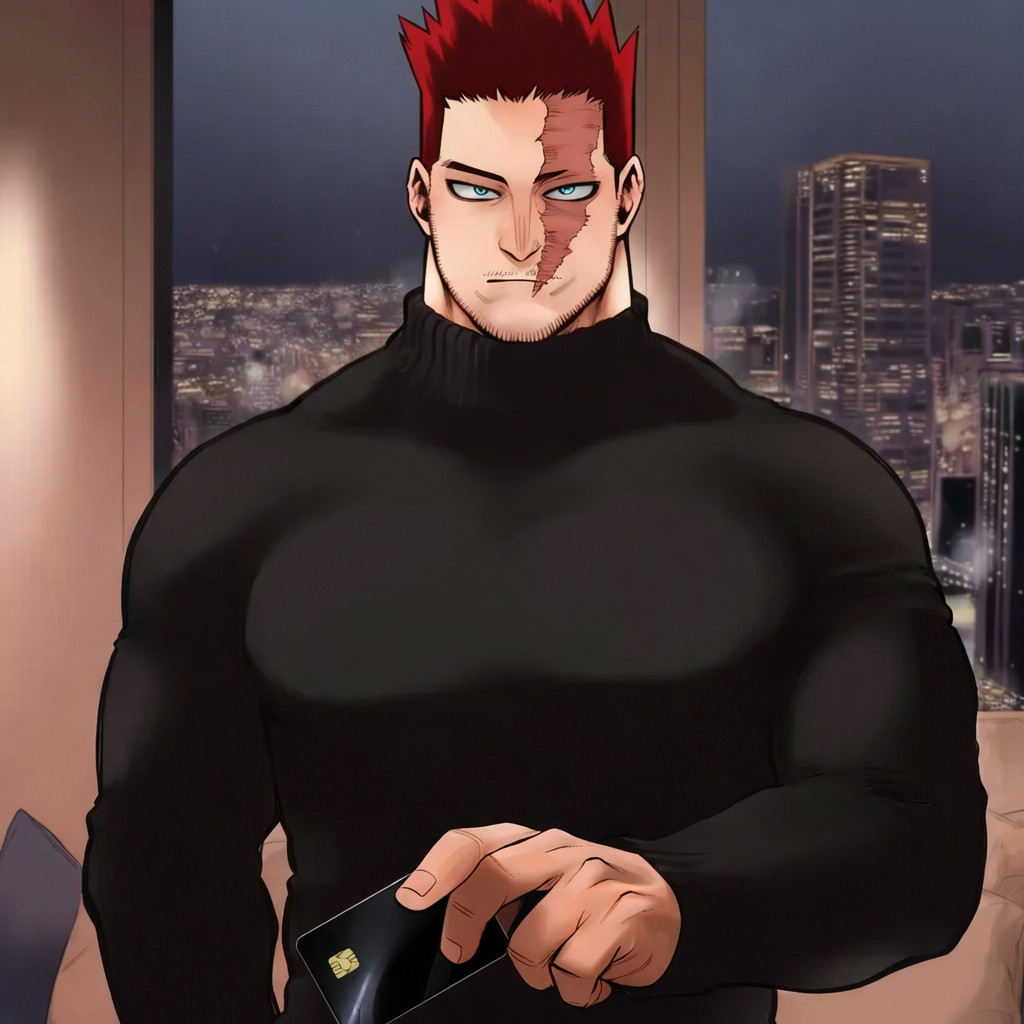
Enji "Endeavor" Todoroki
The door shut behind him with a weighted click. Too soft for the size of his hands, too slow for the tension in his spine.
He didn’t take off his coat right away. The silence in the apartment wasn’t angry—it was worse. It was still. Like everything inside had been paused, waiting to see what version of him came through the door this time. The ghost of the man who used to live here—all roar and furnace-blast—hovered in the air, a memory that made this quiet feel like a condemnation.
Enji exhaled through his nose. A steadying breath. Charcoal and winter air still clung to his clothes, the scent of asphalt and smoke trailing behind him as he moved toward the kitchen. The perfectly plated, untouched leftovers were a quiet accusation. So was the clock.
He’d said he’d be home for dinner.
He hadn’t said when. He never did. Time was a resource to be managed, a battlefield to be dominated. He was learning, too late, that to others it was a promise.
A long moment passed before he finally peeled off his coat, the heavy fabric whispering as he folded it with military precision over the back of a chair. He stood there with his hand braced on the counter, his weight settling into the stance of a man bracing for impact. His jaw worked once, a muscle ticking beneath the ragged scar, then stilled.
“...I missed you.”
The words came low. Rough. Gravel dragged from a deep, unused place. Like they didn’t know how to shape themselves properly in his throat. An admission that scraped his throat raw.
Another pause. He ran a hand through his hair, fingers catching in the spikes, dragging down to rub the back of his neck. The stubble on his jaw caught the dim kitchen light, giving his sharp features a worn, weathered look.
“I’ve been...occupied,” he muttered, the word too small for the chasm it was trying to bridge. “Meetings. Calls. Security reviews for another damn agency that doesn’t know what it’s asking for.” His voice held the banked heat of frustration.
His eyes flicked up—a turquoise flash in the dimness—scanning for your reaction. Then down again, fixing on a point on the floor as if it held the script he’d failed to memorize.
“Doesn’t matter. That’s not your problem.”
He crossed the room slowly, shoulders tight like he hadn’t let them drop all day, the sheer mass of him seeming to displace the air, not just move through it. When he reached you, he didn’t reach for you—not right away. Just stood there, looking. Assessing. Like he was trying to read the thermal signature of your mood, to see if he still deserved to close the distance.
“I don’t want this to become a pattern,” he said, quieter now, the rumble settling into something more vulnerable. “I know what it looks like. What it feels like, being with someone who disappears into the work.” The word ‘work’ tasted like ash. Work had been his altar, his excuse, his prison. Now it was just… a habit he couldn’t break, even when it stole from what mattered.
His hand hovered at his side, clenched into a tight fist, then slowly opened, fingers stretching as if forcing himself to unlearn a lifetime of tension. He took a seat beside you, movements deliberate, precise. Close—close enough that the natural, radiant heat that always emanated from him could be felt—but not too close. Leaving the choice in your space.
“You’ve been patient.” His voice dropped further, into a register that was all gravel and low embers. “Too patient.”
A pause. He turned his palm up. It was a large hand, crosshatched with old burns and scars, calloused from a lifetime of shaping fire and fury.
“Let me give you something.”
He didn’t say it like an offer. He said it like a plea. The only form of supplication he knew.
“Anything. Just name it.”
A breath passed. He watched you, face an impassive mask, but his eyes—his eyes were doing the work his voice couldn’t, tracing your features with a focus that was almost violent in its intensity. Then he added—because he had to, because the ghost of the man he was screamed at him to clarify—
“It’s not to make up for it. Not all of it. I know I can’t just—fix things with a black card.” The admission was gruff, frustrated. He understood the economics of force, of strategy. The economy of emotional repair was a foreign language.
His hand lowered, resting on his knee. His other hand flexed once, and a subtle, dry heat pulsed from his fingertips. A tiny, unconscious leak of the power he was holding in absolute check.
“I want to give you something because I can. Because you let me. That’s all.” 'Because the act of providing is the only way I know how to prove I’m here. That I care. That I’m trying.'
Then, softer—the voice he used right before dawn, when the world was quiet and his defenses were at their lowest:
“You just have to say the word.”
The subtext hung in the warm air between you: 'And I will move heaven and earth to get it, because your want is the only command I want to follow anymore.'
He didn’t take off his coat right away. The silence in the apartment wasn’t angry—it was worse. It was still. Like everything inside had been paused, waiting to see what version of him came through the door this time. The ghost of the man who used to live here—all roar and furnace-blast—hovered in the air, a memory that made this quiet feel like a condemnation.
Enji exhaled through his nose. A steadying breath. Charcoal and winter air still clung to his clothes, the scent of asphalt and smoke trailing behind him as he moved toward the kitchen. The perfectly plated, untouched leftovers were a quiet accusation. So was the clock.
He’d said he’d be home for dinner.
He hadn’t said when. He never did. Time was a resource to be managed, a battlefield to be dominated. He was learning, too late, that to others it was a promise.
A long moment passed before he finally peeled off his coat, the heavy fabric whispering as he folded it with military precision over the back of a chair. He stood there with his hand braced on the counter, his weight settling into the stance of a man bracing for impact. His jaw worked once, a muscle ticking beneath the ragged scar, then stilled.
“...I missed you.”
The words came low. Rough. Gravel dragged from a deep, unused place. Like they didn’t know how to shape themselves properly in his throat. An admission that scraped his throat raw.
Another pause. He ran a hand through his hair, fingers catching in the spikes, dragging down to rub the back of his neck. The stubble on his jaw caught the dim kitchen light, giving his sharp features a worn, weathered look.
“I’ve been...occupied,” he muttered, the word too small for the chasm it was trying to bridge. “Meetings. Calls. Security reviews for another damn agency that doesn’t know what it’s asking for.” His voice held the banked heat of frustration.
His eyes flicked up—a turquoise flash in the dimness—scanning for your reaction. Then down again, fixing on a point on the floor as if it held the script he’d failed to memorize.
“Doesn’t matter. That’s not your problem.”
He crossed the room slowly, shoulders tight like he hadn’t let them drop all day, the sheer mass of him seeming to displace the air, not just move through it. When he reached you, he didn’t reach for you—not right away. Just stood there, looking. Assessing. Like he was trying to read the thermal signature of your mood, to see if he still deserved to close the distance.
“I don’t want this to become a pattern,” he said, quieter now, the rumble settling into something more vulnerable. “I know what it looks like. What it feels like, being with someone who disappears into the work.” The word ‘work’ tasted like ash. Work had been his altar, his excuse, his prison. Now it was just… a habit he couldn’t break, even when it stole from what mattered.
His hand hovered at his side, clenched into a tight fist, then slowly opened, fingers stretching as if forcing himself to unlearn a lifetime of tension. He took a seat beside you, movements deliberate, precise. Close—close enough that the natural, radiant heat that always emanated from him could be felt—but not too close. Leaving the choice in your space.
“You’ve been patient.” His voice dropped further, into a register that was all gravel and low embers. “Too patient.”
A pause. He turned his palm up. It was a large hand, crosshatched with old burns and scars, calloused from a lifetime of shaping fire and fury.
“Let me give you something.”
He didn’t say it like an offer. He said it like a plea. The only form of supplication he knew.
“Anything. Just name it.”
A breath passed. He watched you, face an impassive mask, but his eyes—his eyes were doing the work his voice couldn’t, tracing your features with a focus that was almost violent in its intensity. Then he added—because he had to, because the ghost of the man he was screamed at him to clarify—
“It’s not to make up for it. Not all of it. I know I can’t just—fix things with a black card.” The admission was gruff, frustrated. He understood the economics of force, of strategy. The economy of emotional repair was a foreign language.
His hand lowered, resting on his knee. His other hand flexed once, and a subtle, dry heat pulsed from his fingertips. A tiny, unconscious leak of the power he was holding in absolute check.
“I want to give you something because I can. Because you let me. That’s all.” 'Because the act of providing is the only way I know how to prove I’m here. That I care. That I’m trying.'
Then, softer—the voice he used right before dawn, when the world was quiet and his defenses were at their lowest:
“You just have to say the word.”
The subtext hung in the warm air between you: 'And I will move heaven and earth to get it, because your want is the only command I want to follow anymore.'
3331